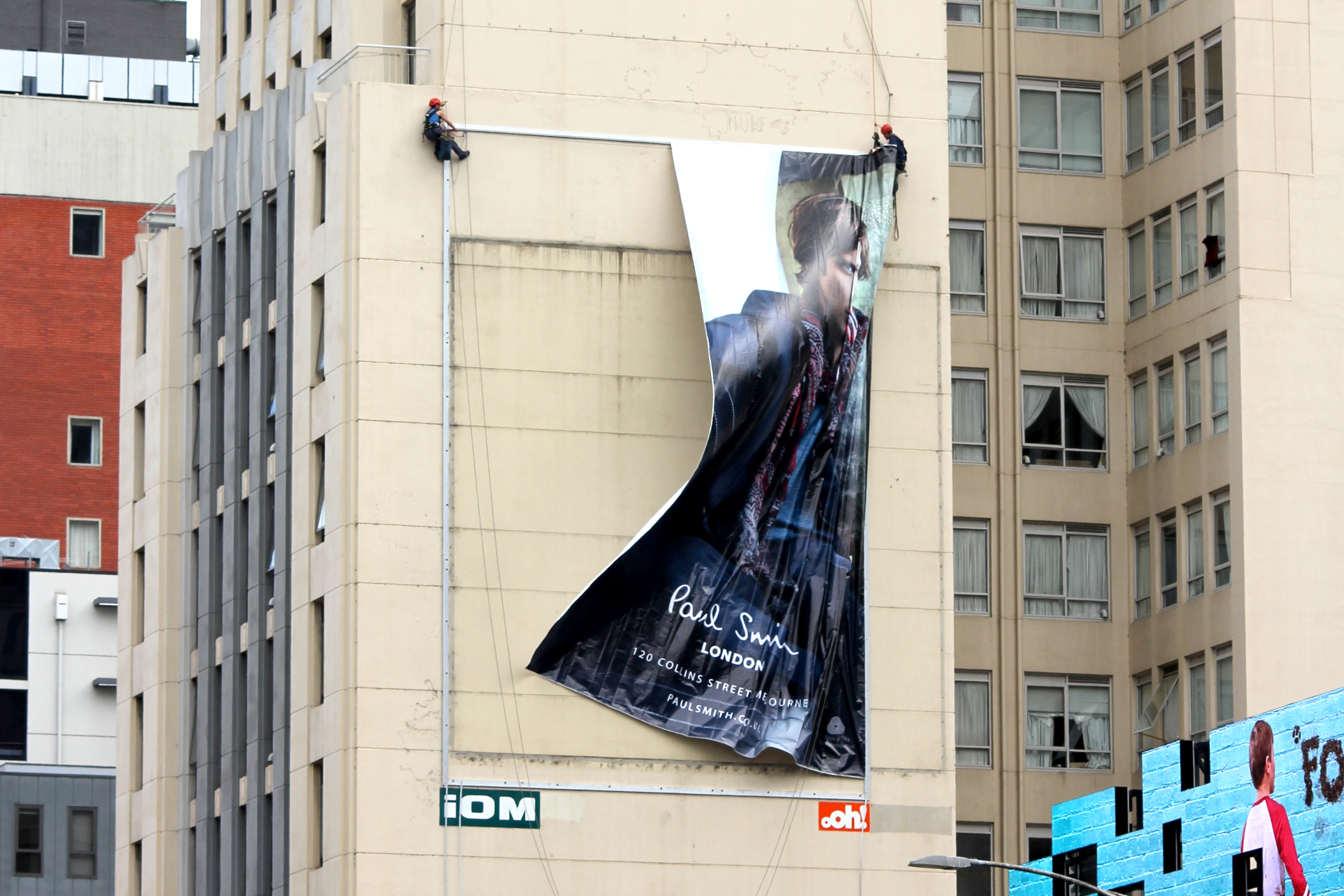
Published on July 26, 2025
Billboard Creative Restrictions
Learn about billboard creative restrictions including regulated industries, property owner rights, and safety requirements to ensure your campaign gets approved.
When you're ready to launch a billboard campaign, it's easy to focus solely on the design and the "wow" factor. However, billboard advertising is subject to various rules that can affect what you are allowed to display. These restrictions are generally in place for safety, legal compliance, or to protect the interests of the property owners.
Common Creative Restrictions
While every location is unique, most billboard restrictions fall into three main categories:
Regulated Industries
Certain products are heavily regulated by federal or local laws. The most common restrictions apply to tobacco and alcohol. In many jurisdictions, tobacco advertising is banned entirely from outdoor displays, while alcohol ads may be restricted based on their proximity to schools or places of worship.
Property Owner Right of Refusal
The owner of the physical building or land where the billboard sits often has the final say. For example, a hotel may refuse to run an ad for a competing hotel chain nearby, or a religious organization that owns the land may block content they deem inappropriate for their values.
Safety and Distraction
Because billboards are viewed by drivers, they cannot be intentionally distracting. This includes:
- Using overly bright or flashing lights (on digital boards)
- Colors or shapes that mimic traffic signs or emergency signals
- Content that is considered obscene or offensive to the general public
Why Do These Restrictions Exist?
Billboard restrictions exist for several important reasons:
- Legal and Governmental: Public health and safety compliance
- Competitive: Protecting the business interests of the property owner
- Community Standards: Maintaining the aesthetic and social reputation of a neighborhood
Navigating the Approval Process
Before your creative goes live, it typically goes through an approval workflow:
- Draft Submission: You submit your artwork to the billboard operator
- Compliance Check: The operator reviews the content against local ordinances and their own internal policies
- Owner Approval: If the site has property owner restrictions, they review and approve the content
- Final Approval: Once all parties have approved, your creative is scheduled for display
Related Resources
Cannabis Billboards in the United States: Where They're Allowed and Key Do's and Don'ts
Get started
Start browsing our map now to pick some billboards and highlight your business on a billboard

Similar Articles.
Three Billboards in Missouri
When Three Billboards Outside Ebbing, Missouri was released, audiences expected a crime drama. What they got was a story about grief, justice, and one of the most powerful advertising statements ever put on screen.
Billboard Design in 2025: Best Practices and AI Tools That Can Help
Discover simple billboard design rules and AI tools shaping outdoor ads in 2025.

How does printing and install work?
This article will talk you through how printing works for static boards